
His name is Ali Khamenei in Persian language علی خامنه ای. He was born on April 19, 1939 in Mashhad, a city considered holy in Shiite Islam and a very important religious center, in a religious family. It is in the imperial state of Iran. Ali Khamenei is an Ayatollah and Supreme Leader of the Islamic Revolution since 1989. This is the most important position in the Islamic Republic of Iran, above the office of President of the Islamic Republic, which he himself held from 1981 to 1989, during the leadership of Ayatollah Ruhollah Khomeini.

II To follow my channel Whatsapp https://whatsapp.com/channel/0029VaCyM5ILdQejDYwQ2b2u II To follow me on facebook: https://www.facebook.com/professormaurice/.

Iran’s Supreme Leader Ayatollah Ali Khamenei speaks at a ceremony marking the 36th anniversary of the death of his predecessor, Ruhollah Khomeini, in Tehran on June 4, 2025. | IRANIAN SUPREME LEADER’S NEWS SERVICE / ANADOLU VIA AFP
A Glimpse into His Family
Ali Khamenei was born on April 19, 1939, in Mashhad. His father was Javad Khamenei, an Azeri from Khameneh, born in Najaf (Iraq), another holy city of Shiism. His mother, Khadijeh Mirdamadi, was of Persian descent and the daughter of a cleric. Ali Khamenei was the second of his seven siblings; his family led a very modest lifestyle. His two brothers also became clerics like his family. Khamenei’s ancestor is Hossein Tafreshi, whose lineage goes back—according to some—to the fourth Shiite Imam, Ali Zayn al-Abidin.
Ali Khamenei is married to Mansoureh Khojasteh Bagherzadeh, with whom he has a total of six children. He has four sons (Mostafa, Mojtaba, Masoud, and Meysam) and two daughters (Boshra and Hoda). Several of his sons are religious dignitaries.
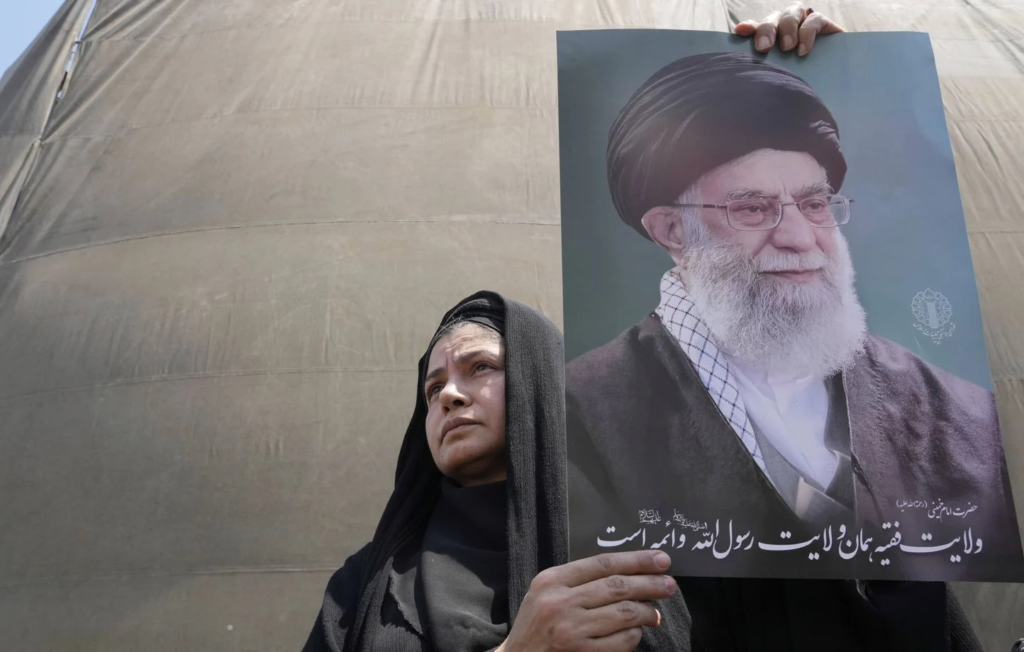
An Iranian woman holds a portrait of Supreme Leader Ayatollah Ali Khamenei, a leader increasingly contested both at home and abroad. – Vahid Salemi/AP

Young Iranian women celebrate the 36th anniversary of the Islamic Revolution in Tehran and hold up portraits of Ali Khamenei. Atta Kenare, AFP
Who is the President of the Islamic Republic of Iran?
Ali Khamenei was the President of the Islamic Republic from 1981 to 1989. Today, it is Massoud Pezeshkian (مسعود پزشکیان), born on September 29, 1954, who has held the office of President of the Islamic Republic of Iran since July 28, 2024. Massoud Pezeshkian is a well-known and respected surgical academic. His Vice President is Mohammad-Reza Aref.

Massoud Pezechkian in 2025
The presidents of the theocratic Islamic Republic of Iran

Ali Khamenei the Supreme Leader of Iran or Persia: Dictator or Tolerant?
Iran is generally regarded by international observers as an authoritarian regime, even a theocratic dictatorship, rather than a country that respects human rights.
1. Nature of the Regime
Iran has been an Islamic Republic since 1979, with a unique political structure where religious power (notably the Supreme Leader) overwhelmingly dominates civil power.
The Supreme Leader (currently Ali Khamenei) holds absolute authority over key institutions: the military, judiciary, media, elections, etc.
The Guardian Council approves or disqualifies candidates for elections, systematically excluding reformist or opposition candidates.
2. Civil Liberties
- Freedom of expression: Very restricted. Journalists, artists, intellectuals, and activists can be arrested or imprisoned for criticizing the regime.
- Freedom of the press: Iran is ranked among the worst countries in the world for press freedom by Reporters Without Borders.
- Freedom to protest: Peaceful demonstrations are often violently suppressed (e.g., the 2009 movement, protests in 2019, and in 2022 after the death of Mahsa Amini).
3. Women’s Rights
- Severely limited: Mandatory wearing of the hijab, legal inequalities in marriage, divorce, child custody, and inheritance.
- Women are regularly arrested for “violations” of the Islamic dress code.
4. Repression of Minorities
- Religious minorities (such as Bahá’ís, Christian converts, or Sunnis in certain regions) face discrimination or even persecution.
- Ethnic minorities (Kurds, Baluchis, Arabs, etc.) also face discrimination.
5. Justice and Repression
- The judiciary lacks independence.
- Torture, forced confessions, and executions (including minors) are documented by NGOs like Amnesty International.
- Iran is among the countries with the highest rates of capital punishment in the world.
In Summary:
Iran does not meet international human rights standards and is generally considered a theocratic dictatorship, where religious law (Sharia) is used to legitimize authoritarian and repressive power.r un pouvoir autoritaire et répressif.
What Does “Theocracy” Mean?
From the Ancient Greek θεοκρατία (theokratía, “rule of God, theocracy”), composed of θεὸς (God) and ϰράτος (power).In its original sense: “government by God.”
By extension: A political system in which authority is exercised by the leaders of a religion or by a sovereign considered to be the representative of God.(Examples: the Islamic Republic of Iran, the Dalai Lama in Tibet).
Who Holds Power in Iran: the President, the Parliament, or the Supreme Leader?
The Islamic Republic is an authoritarian theocratic regime where the Shiite clergy holds power, although it incorporates some democratic elements such as the universal suffrage election of the president and the members of the Majlis (parliament).
The Supreme Leader of the Revolution, Ali Khamenei since 1989, holds ultimate authority.The Supreme Leader is elected for life and controls the army, as well as making key decisions on security, defense, and foreign policy.
The President of the Islamic Republic of Iran carries out certain head-of-state functions (signing treaties, accrediting ambassadors, etc.) and also serves as the head of government. However, the President can be dismissed by either the Supreme Leader or the Parliament.

In Iran, the popularly elected president (Hassan Rohani, right of the picture) has little power compared to the Supreme Leader (Ali Khamenei, pictured) © Maxppp – ABEDIN TAHERKENAREH/EFE/Newscom

The title “Ayatollah” means “Sign of God”
An ayatollah (Arabic: آية الله or Persian: آیتالله, meaning “sign of God”) is one of the highest titles awarded to a member of the clergy.

1st row : Nasser Makarem Shirazi • Hossein Noori Hamedani • Seyed Mohammad Ali Hosseini Alavi Gorgani • Ibrahim Amini
2nd row : Asadollah Bayat-Zanjani (en) • Ja’far Sobhani • Youssef Saanei • Abdollah Javadi-Amoli
3rd row : Morteza Moghtadai (en) • Mohammad-Taqi Mesbah Yazdi • Abdul-Karim Mousavi Ardebili • Khalil Mobasher Kashani (en)
Ayatollahs are religious leaders and Islamic scholars who are experts in the fields of jurisprudence, ethics, philosophy, or mysticism. They mostly teach in Islamic hawza (schools). The highest rank in the Ayatollah hierarchy is the marja, who bear the title of Grand Ayatollah.
Ayatollahs wear black or green turbans to indicate their position as sayyid, “descendants of Muhammad” through his daughter Fatima, wife of Ali, the first imam in Twelver Shiism. Other ayatollahs traditionally wear white turbans.

Ayatollah Ali Khamenei is a descendant of the Prophet Muhammad. His lineage, according to some sources, dates back to the fourth Shiite Imam, Ali Zayn al-Abidin. This is why he always wears the black turban.
In everyday French, the term “Ayatollah” is also used to designate a person who is particularly intransigent on a specific subject.
Is Ali Khamenei a graduate?
Is Ali Khamenei a graduate? Yes, the young Ali Khamenei studied literature and theology. He spent more time at the Astan-e Quds-e Razavi Library, the largest book collection in Iran, than at the mosque. According to Sulayma Mardam Bey, “Ali Khamenei, the End of an Era,” L’Orient-Le Jour, June 15, 2025, the young Ali Khamenei appreciated the books of Mikhail Sholokhov, Alexei Tolstoy, Victor Hugo, Honoré de Balzac, and Michel Zévaco.

His favorite novel is Les Misérables, about which he said:
“I have read Divine Comédie. I have read Amir Arsalan. I have also read Les Mille et Une Nuits. But Les Misérables is a miracle in the world of novel writing… I have said it many times, go and read Les Misérables at least once. It is a book of sociology, a book of history, a book of criticism, a divine book, a book of love and emotion.”
He is also a poetry enthusiast, has written poems under the pseudonym “Amin,” and participated in poetry competitions during his youth. He also stated that he admired the French philosopher Jean-Paul Sartre (who himself admired Khomeini and supported the Iranian revolution) and Bertrand Russell in his younger years.
His passion led him, at the end of the 1950s, into the literary circles of Mashhad, where he connected with local intellectuals, often left-leaning, such as the philosopher Ali Shariati, who blended Shiism and Marxism in his works, and the novelist Jalal Al-e Ahmad, who blamed Iran’s backwardness and underdevelopment on the Pahlavi regime’s imitation of the West.
In addition to Persian, Ali Khamenei speaks Arabic and Azeri fluently.
Religious Studies
Ali Khamenei began his religious studies in Mashhad under the guidance of Hashem Qazwini and Ayatollah Milani, before traveling to Najaf, Iraq. At the Qom seminary, he studied under Ayatollahs Hossein Tabatabai Borujerdi and Ruhollah Khomeini, whom he met during this period. Khomeini’s opposition to the Shah’s modernization of Iran—which he viewed as contrary to Islam—had a decisive influence on Khamenei.
In 1967, Khamenei translated into Persian the book “Al-Mustaqbal li-hadha al-din” (The Future of This Religion) by Muslim Brotherhood ideologue Sayyid Qutb, in which the author defends Islam’s political supremacy. In the preface to his translation, Khamenei wrote that Islam must modernize its message to appeal to younger generations.
Khamenei studied Islamic philosophy and eventually became an ayatollah. However, his religious opponents have long mocked the limited extent of his religious knowledge.
Ayatollah Ali Khamenei, Supreme Leader of the Islamic Republic of Iran, holds the religious title of “Marjaʿ-e taqlid” (source of emulation). His highest qualification is not academic in the Western sense, but it corresponds to the highest level of Shiite religious education, obtained through studies at hawzas (religious seminaries), especially those in Najaf (Iraq) and Qom (Iran).
Khamenei has reached the rank of “Mujtahid”, meaning someone capable of performing ijtihad (independent interpretation of Islamic law). This rank is considered equivalent to a doctorate in Islamic jurisprudence (fiqh) within the Shiite religious system.
In summary:
Ali Khamenei’s highest degree is religious: he is a Mujtahid, which represents the highest academic level in Shiite religious studies.
The political Career Ayatollah Ali Khamenei
Ali Khamenei played a major role in the 1979 Iranian Revolution, which led to the overthrow of Shah Mohammad Reza Pahlavi and the establishment of the Islamic Republic of Iran. He became a key figure in the revolution and was regarded as one of the closest confidants of Ayatollah Khomeini, who proclaimed himself “Supreme Leader of the Revolution” after replacing the deposed Shah.
In 1981, after the assassination of President Mohammad Ali Raja’i, Khamenei was elected President of the Islamic Republic of Iran, becoming the first ayatollah to hold this position. That same year, he survived an assassination attempt (a bomb hidden in a tape recorder), losing the use of one of his hands. The attack was carried out by the People’s Mujahedin Organization of Iran (PMOI). He was re-elected in 1985 for a second term.
In 1989, shortly before his death, Ayatollah Khomeini appointed Ali Khamenei as his successor as Supreme Leader of the Islamic Revolution. Since then, Khamenei has held this position, which grants him significant power over Iran’s political, economic, and military affairs.
The Islamic Republic of Iran in pictures, a very beautiful country in West Asia, historically called Persia


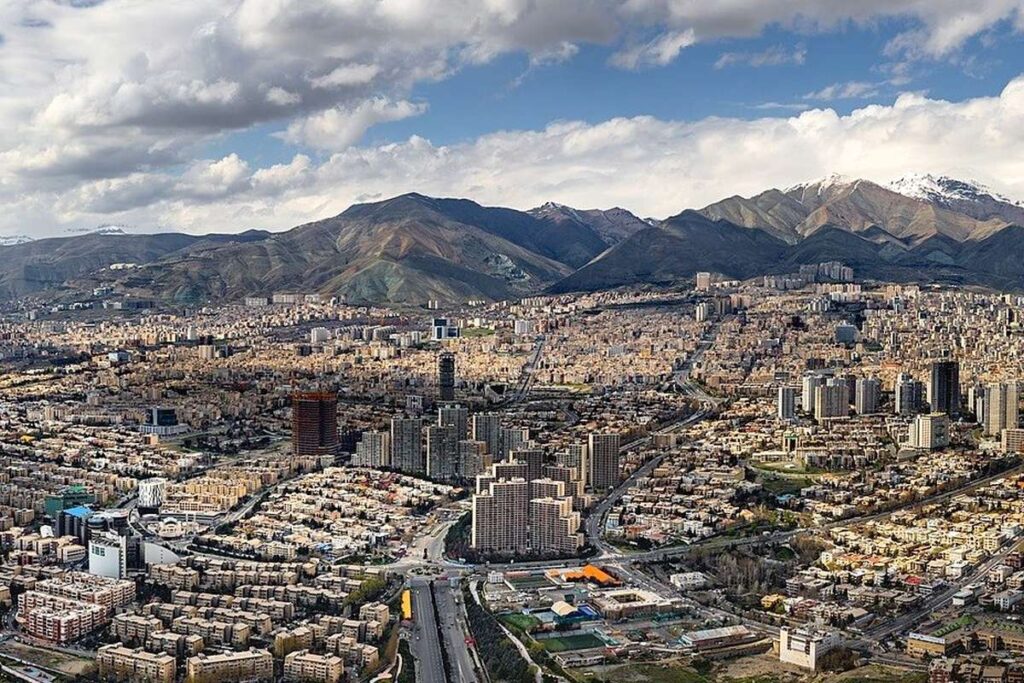
Photo Credit : Wikimedia Commons / Teheran, the capital city of Iran
Iran, in Persian: ايران, = Jomhuriye Eslâmiye Irân or JEI meaning the Islamic Republic of Iran, is a country in Western Asia, historically called Persia. Bordered to the north by the Caspian Sea, southeast by the Gulf of Oman and to the south by the Persian Gulf, Iran shares borders with Turkmenistan in the northeast, Afghanistan in the East, Pakistan to the southeast, Iraq in the West, Turkey, Armenia and Azerbaijan in the North-West. The country has an area of 1,648,195 km.

The name Iran, meaning “kingdom of the Aryans,” was officially adopted for international use on March 21, 1935. Previously, the country was known universally as Persia. The names “Persia” and “Iran” are often used interchangeably in cultural contexts, although the term “Iran” remains in official political use.
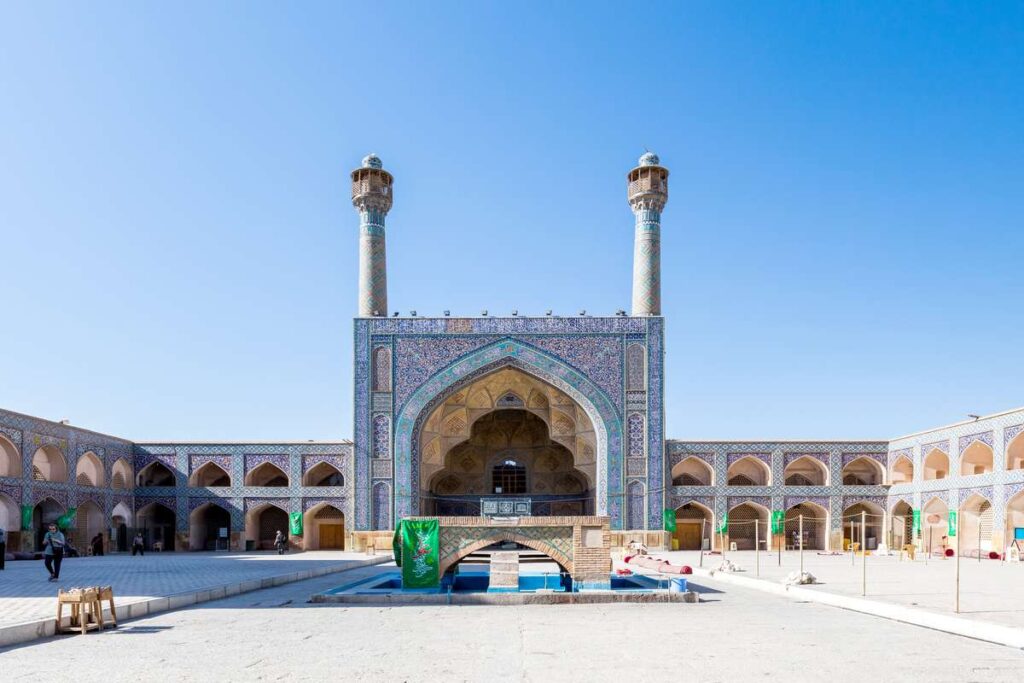
Credit photo : Wikimedia Commons / Ispahan, important city in Iran
Beautiful places: the must-see cities of Iran

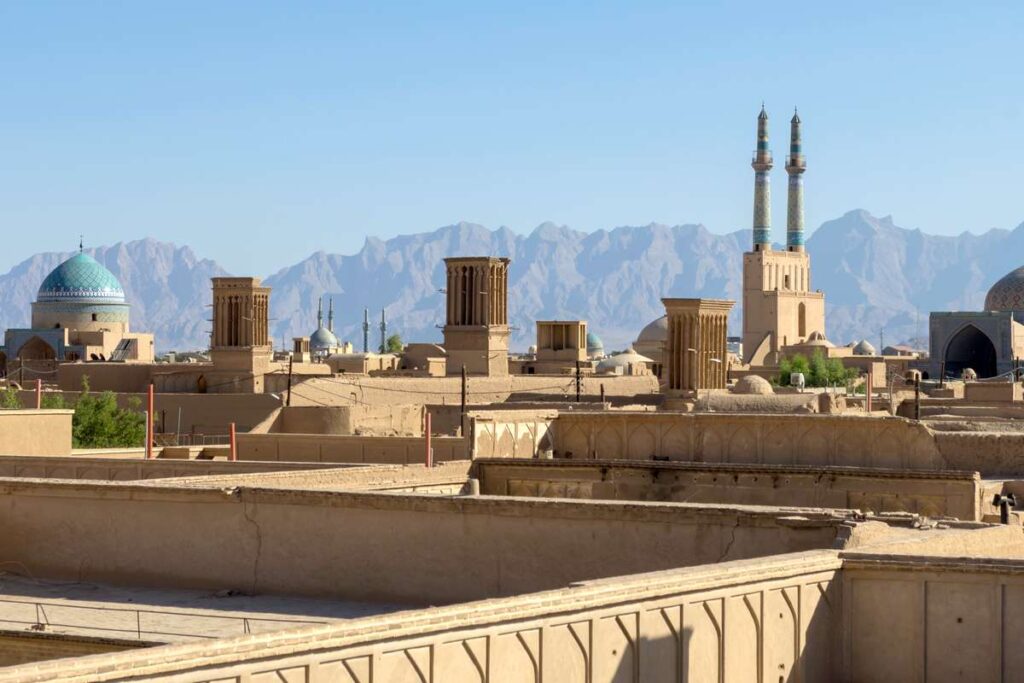
Photo credit : Wikimedia Commons / Yazd, a must-see city of Iran


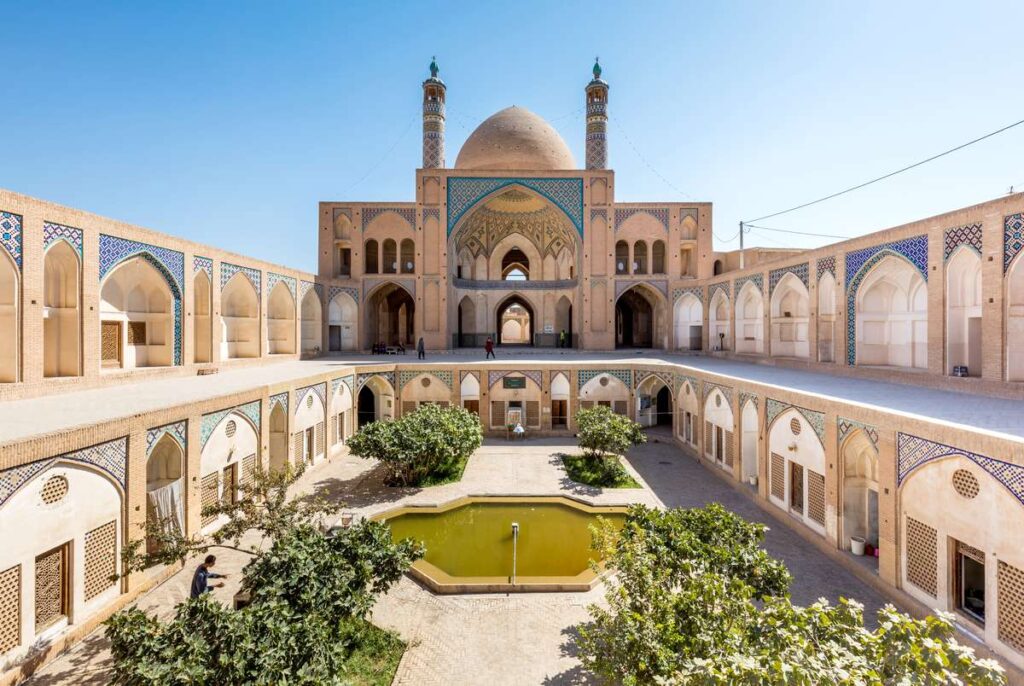
Crédit photo : Wikimedia Commons / Kashan, ville incontournable de l’Iran
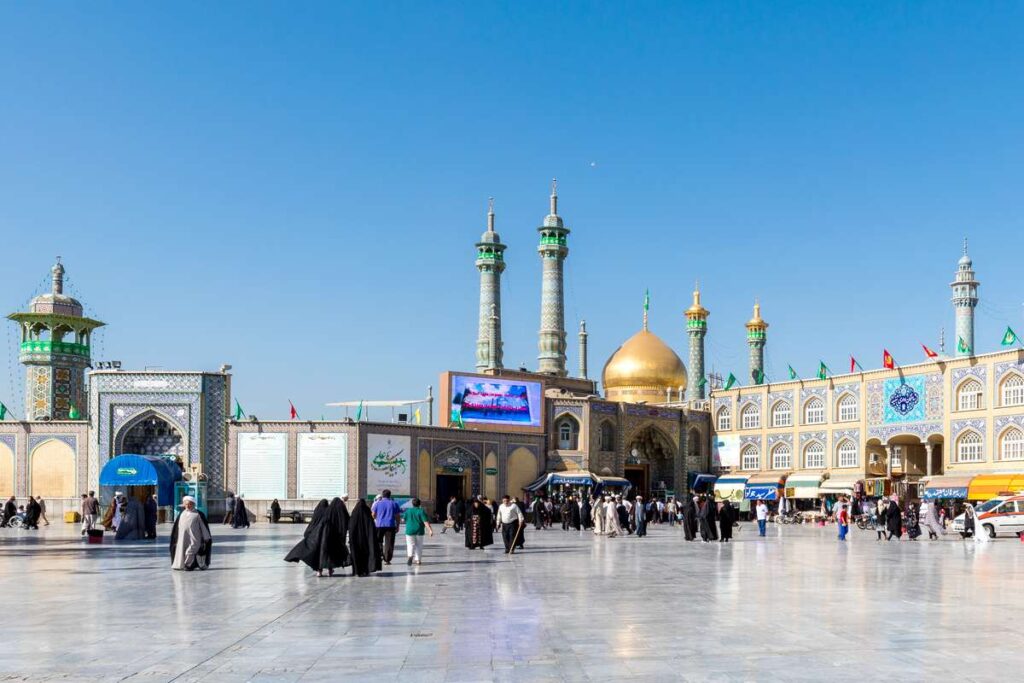
Credit photo : Wikimedia Commons / Qom, a must-see city of Iran
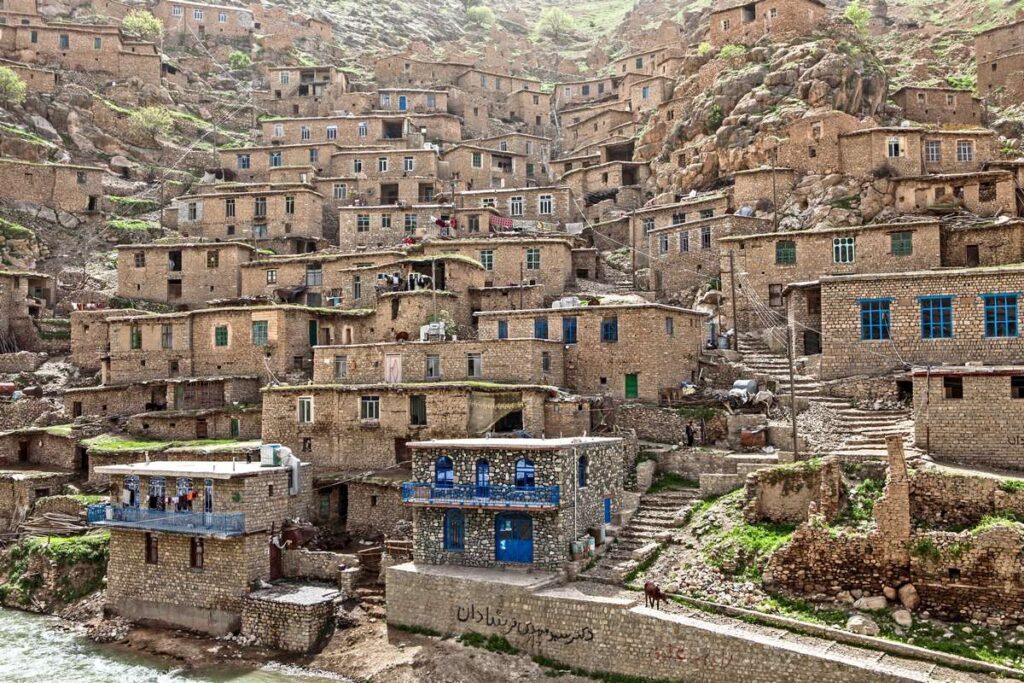


The faces of Iranians in major cities


The faces of Iranians in the mountains of the interior of the country


RUMORS confirm that Iran appears to have acquired its own nuclear bomb
This world, Mwalimu HAKIZIMANA Maurice II To follow my channel Whatsapp https://whatsapp.com/channel/0029VaCyM5ILdQejDYwQ2b2u II To follow me on facebook: https://www.facebook.com/professormaurice/.
**vivalis**
vivalis is a premium natural formula created to help men feel stronger, more energetic, and more confident every day.
**backbiome**
backbiome is a naturally crafted, research-backed daily supplement formulated to gently relieve back tension and soothe sciatic discomfort.
**vittaburn**
vitta burn is a liquid dietary supplement designed to support healthy weight management by elevating metabolic activity, curbing cravings, and encouraging fat reduction.