
PARIS: France’s Court of Cassation yesterday, Wednesday, September 9, 2026, upheld the dismissal of the case against French soldiers in an investigation into possible “complicity in genocide” in the massacres of Tutsis in Bisesero, in western Rwanda, in 1994.
The organizations Survie, Ibuka, FIDH (International Federation for Human Rights), LDH (Human Rights League) and Licra, together with six survivors, accused the French soldiers of knowingly abandoning Tutsi civilians who had taken refuge in the hills of Bisesero, allowing hundreds of them to be massacred by Hutus over a period of three days, from June 27 to 30, 1994. France was present in Rwanda at the time through Operation Turquoise, which had a humanitarian mandate.
During the investigation, five soldiers who were in Rwanda at the time of the events were placed under the status of assisted witness, which is more favorable than that of a person formally charged.

Names of genocide victims at the Bisesero Memorial, in western Rwanda, December 2, 2020. (SIMON WOHLFAHRT / AFP)
(1) No intention “to facilitate the commission of crimes against Tutsi civilians”
In December 2024, the investigating chamber of the Paris Court of Appeal rejected the allegations of “complicity in genocide” against them, upholding the general dismissal issued in October 2023 by investigating judges and rejecting requests for additional hearings, notably those of former Élysée Secretary-General Hubert Védrine and historian Vincent Duclert. The civil parties then appealed to the Court of Cassation.
In its ruling issued on Wednesday, France’s highest criminal court held that “it was not for the soldiers present on the ground to act without having received a specific order from their chain of command, namely the Ministry of Defence.”
The judges “further noted that no evidence demonstrated an intention on the part of these officers to facilitate the commission of crimes against Tutsi civilians,” adding that the three-day delay before the rescue operation was due to “the clarification of a situation that remained unclear at the time.” They also noted that the force commanded by Lieutenant Colonel Jean-Rémi Duval was too small to conduct a secure intervention.

(2) A “genuine presumption of guilt” for twenty years
As for the highest-ranking officer, General Jean-Claude Lafourcade, commander of Operation Turquoise in 1994, the judges held that “he sought to obtain additional information in order to decide whether to take action and that doubt remains as to his knowledge of what was taking place.”
“After twenty years of legal proceedings, all judicial decisions have unanimously affirmed that there is no criminal liability on the part of the soldiers of Operation Turquoise for the 1994 genocide of the Tutsis,” said Pierre-Olivier Lambert and Emmanuel Bidanda, lawyers representing the soldiers, describing the decision as having “historic significance.” “We will be particularly vigilant to ensure that this judicial truth is not undermined,” they added, referring to the soldiers who had suffered from a “genuine presumption of guilt.”
“After more than two decades of investigations marked by hundreds of witness interviews and the examination of thousands of documents, including many declassified records, it has been established that no criminal liability can be attributed to the French army or its soldiers,” General Lafourcade said, welcoming the decision while deploring “twenty years of media and political persecution.”


(3) The genocide claimed 800,000 lives, according to the UN
“It is high time that the French soldiers of Operation Turquoise, now cleared, be able to take pride in what they accomplished in Rwanda in 1994,” he added, stressing that “France was the only major country to intervene to put an end to the genocide.”

Contacted by AFP, the civil-party organizations had not immediately responded.From April to July 1994, the genocide claimed 800,000 lives, according to the United Nations, including Tutsis and Hutus killed by the Rwandan Armed Forces and the Interahamwe, the extremist Hutu militias.
Source: franceinfo with AFP
This World,

Mwalimu Hakizimana Maurice is a teacher, a translator-interpreter, and a writer based in Paris, France.
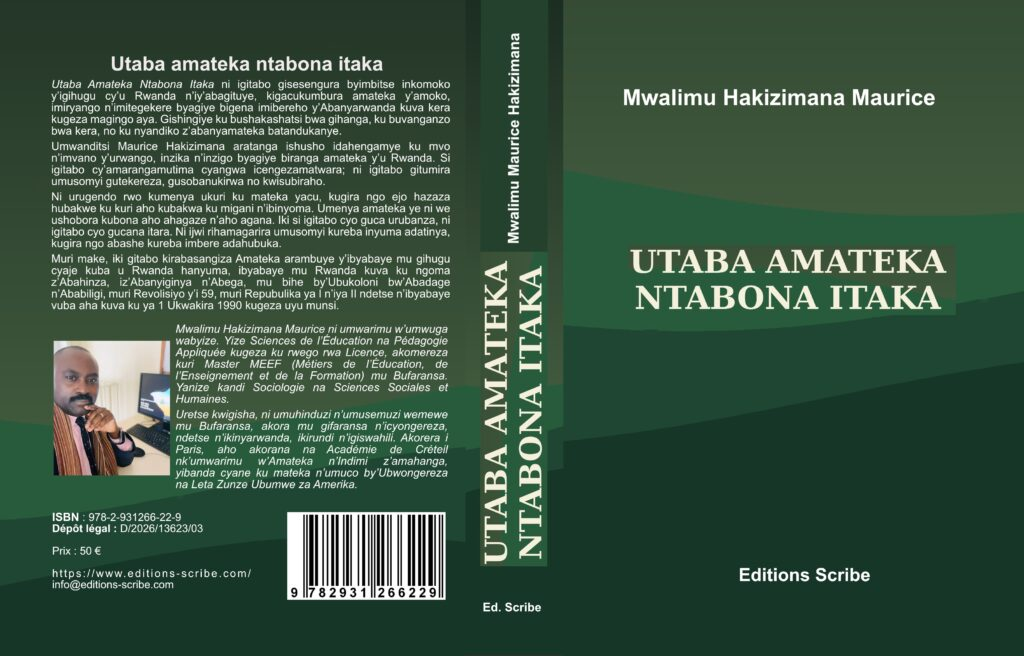
Professor Hakizimana Maurice is the author of the book “UTABA AMATEKA NTABONA ITAKA” (Editions Scribes).
PUB
TIDAS – Translation, Interpreting & Support for Your Asylum and Residency Procedures in France
Welcome to TIDAS (Translation, Interpreting, and Asylum & Residency Assistance in France).Our mission: to help foreigners in France overcome language barriers and administrative obstacles.
Our services:
Translation and interpreting for your appointments and documents
Support with asylum applications
Assistance with all your administrative procedures
With TIDAS, you benefit from a professional, caring, and reliable service.We believe that everyone deserves to be understood and supported.
Contact us today and let’s move forward together at (+33) 07 58 90 35 49 or email us at tidasetvous@gmail.com
TIDAS :
- “TIDAS – Always by Your Side”
- “The Voice of Foreigners in France”
- “Understand, Translate, Support”

We absolutely love your blog and find the majority of your post’s to be exactly what I’m looking for. Would you offer guest writers to write content in your case? I wouldn’t mind publishing a post or elaborating on most of the subjects you write regarding here. Again, awesome site!
The Court of Cassation’s decision to uphold the dismissal in the Bisesero massacres case raises difficult questions about accountability and the evidence required to examine the conduct of French soldiers. The ruling makes continued historical and legal scrutiny of the survivors’ testimonies especially important.
The Court of Cassation’s decision to uphold the dismissal in favor of the French soldiers highlights the continuing legal and moral controversy surrounding the Bisesero massacres. It also underscores how difficult it remains to establish accountability for alleged failures during the genocide.
The Court of Cassation’s decision to uphold the dismissal in the Bisesero massacres case raises difficult questions about accountability and the legal scrutiny of French soldiers’ conduct during the genocide. It is important that the ruling be examined alongside the survivors’ testimonies and the broader historical record.
The Court of Cassation’s decision to uphold the dismissal in the Bisesero case highlights the continuing difficulty of establishing accountability for the alleged inaction of French soldiers during the massacres. This ruling also underscores how legal proceedings shape the broader historical reckoning with the 1994 genocide.
The Court of Cassation’s decision highlights how difficult it remains to establish legal accountability for the French soldiers’ conduct during the Bisesero massacres. The dismissal also raises important questions about the evidentiary standards applied in cases involving state responsibility for the 1994 genocide.
The Court of Cassation’s decision to uphold the dismissal in the Bisesero massacres case raises difficult questions about accountability and the evidentiary standards applied to the conduct of French soldiers. It is important that the ruling be examined alongside survivors’ testimonies and the broader historical record of the 1994 genocide.
The Court of Cassation’s decision to uphold the dismissal in the Bisesero massacres case raises difficult questions about accountability for French soldiers’ conduct during the genocide. It also shows how legal proceedings can leave survivors seeking answers decades later.
The Court of Cassation’s decision to uphold the dismissal in the Bisesero massacres case highlights the continuing legal and historical controversy surrounding the role of French soldiers during the genocide. It also underscores how difficult it remains for victims and survivors to obtain judicial accountability decades later.
The Court of Cassation’s decision to uphold the dismissal in the Bisesero massacres case highlights the continuing difficulty of establishing accountability for the role of French soldiers during the genocide. It also underscores how unresolved questions about military conduct can remain contested decades later.
The Court of Cassation’s decision to uphold the dismissal in the Bisesero massacres case highlights how difficult it remains to establish accountability for alleged failures by French soldiers during the 1994 genocide. It also underscores the continuing importance of examining the evidence and legal reasoning behind the ruling.
I was just seeking this info for a while. After 6 hours of continuous Googleing, at last I got it in your website. I wonder what’s the lack of Google strategy that don’t rank this type of informative sites in top of the list. Normally the top websites are full of garbage.
The Court of Cassation’s decision highlights the enduring difficulty of establishing legal responsibility for the French soldiers’ actions during the Bisesero massacres. It also underscores the importance of preserving survivors’ testimony and examining the distinction between direct involvement and alleged failure to intervene.
The Court of Cassation’s decision to uphold the dismissal in the Bisesero massacres case raises important questions about the limits of judicial accountability for the actions of French soldiers during the genocide. It is a significant ruling for survivors seeking recognition of what happened and responsibility for the failure to protect them.
The Court of Cassation’s decision to uphold the dismissal in the Bisesero massacres case raises difficult questions about accountability and the evidentiary standards applied to the conduct of French soldiers. It is important that the ruling be examined alongside survivors’ testimonies and the broader historical record of the 1994 genocide.
The Court of Cassation’s decision to uphold the dismissal in the Bisesero massacres case highlights how difficult it remains to establish accountability for alleged failures during the French military intervention. The ruling also underscores the importance of preserving testimony and evidence concerning the victims’ experiences.
The Court of Cassation’s decision to uphold the dismissal in the Bisesero massacres case highlights the continuing difficulty of establishing accountability for the conduct of French soldiers during the genocide. It also underscores the importance of examining the evidence and judicial reasoning closely in cases involving alleged failures to protect civilians.
The Court of Cassation’s decision to uphold the dismissal in the Bisesero massacres case highlights the continuing difficulty of establishing legal accountability for alleged failures to protect civilians during the Rwandan genocide. It also underscores why the court’s reasoning and the evidence concerning the French soldiers’ conduct deserve close scrutiny.
The Court of Cassation’s decision to uphold the dismissal in the Bisesero massacres case raises difficult questions about accountability and the evidentiary standards applied decades after the genocide. It also underscores the importance of preserving testimony and examining the conduct of French soldiers with historical and legal rigor.
The Court of Cassation’s decision to uphold the dismissal in the Bisesero massacres case highlights the continuing difficulty of establishing legal accountability for alleged failures by French soldiers during the genocide. This ruling also underscores the importance of examining the available evidence and victims’ testimonies with transparency.