Prof HAKIZIMANA Maurice
1. What Is El Niño?
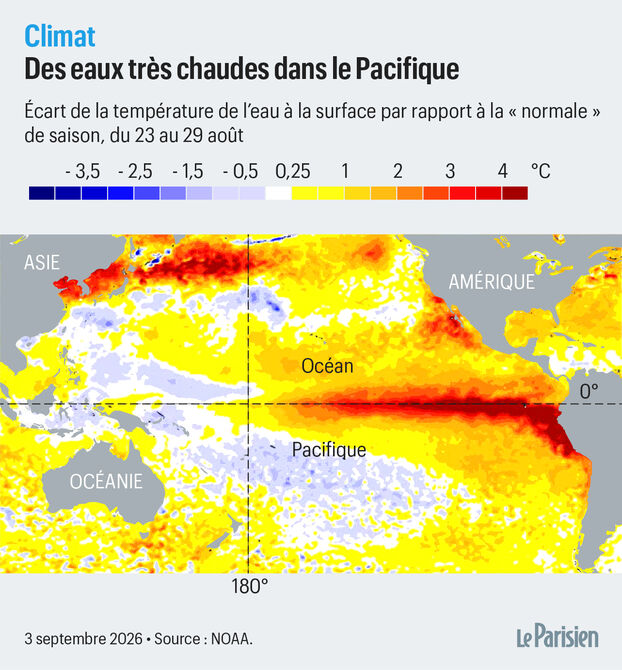
El Niño is a natural climate phenomenon characterized by an unusual warming of the surface waters of the tropical Pacific Ocean, particularly in its central and eastern regions.
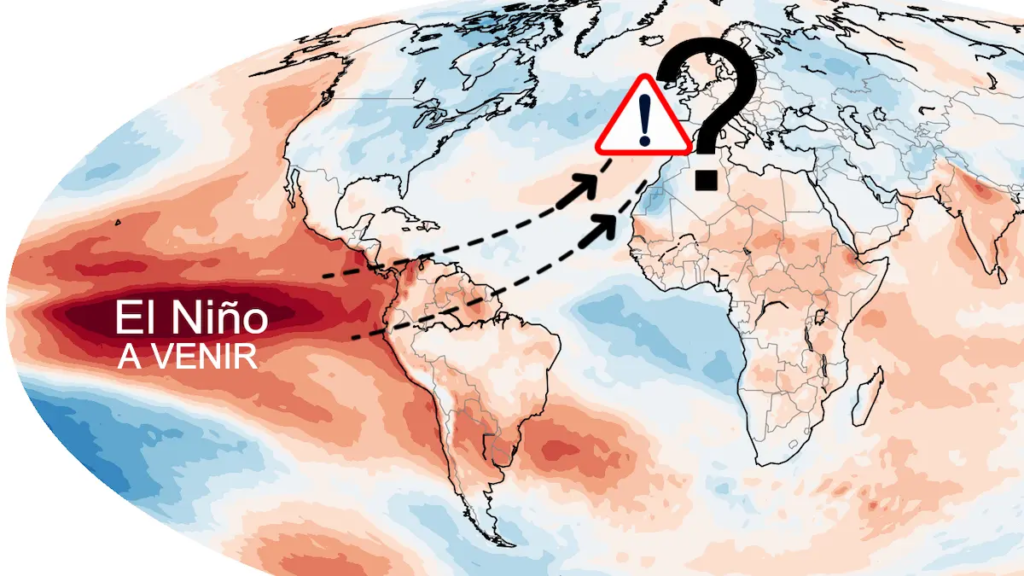
This warming alters atmospheric circulation and can disrupt weather patterns in several parts of the world, causing excessive rainfall, droughts, heatwaves, wildfires resulting from unusually dry conditions, and changes in seasonal patterns.

The phenomenon is part of a climate system known as ENSO (El Niño–Southern Oscillation), which has three phases:
Neutral phase: Conditions that do not meet the criteria for either El Niño or La Niña.
El Niño: Unusual warming of the tropical Pacific Ocean waters.
La Niña: Unusual cooling of these waters.


2. How Does El Niño Develop?

Normal Conditions
Trade winds push warm surface waters westward across the Pacific Ocean, toward Indonesia and Australia. Colder waters rise to the surface near the coasts of South America

During El Niño
Trade winds weaken, allowing warm waters to move farther toward the central and eastern Pacific. Rainfall patterns and winds change, leading to large-scale climate disruptions.
In short, ocean warming alters the exchange of heat and moisture between the ocean and the atmosphere. These changes can subsequently influence weather conditions far beyond the Pacific Ocean.
3. What Are the Global Consequences of El Niño?

Flooding
Some regions of Peru and Ecuador may experience exceptionally heavy rainfall, resulting in flooding, landslides, and agricultural damage.

Droughts and Wildfires
Australia and Indonesia, among other regions, may experience drier conditions that can sometimes increase the risk of vegetation fires.

Agriculture and Food Security
Crop yields may decline in affected regions, potentially increasing food prices and worsening food insecurity.
These effects vary depending on the intensity of the event, the season, and the region. El Niño does not automatically cause disasters everywhere.
4. What Are the Effects of El Niño in Africa?
Africa is particularly important when studying the consequences of El Niño because millions of people depend on rain-fed agriculture.
The Great Lakes region: The effects may vary depending on the country, the season, and local weather conditions.
East Africa: Some areas may experience exceptionally heavy rainfall and flooding.
Southern Africa: Certain episodes may contribute to drought and poor harvests.
5. El Niño and Global Warming: What Is the Difference?
It is important to distinguish between these two phenomena.
- El Niño is a natural variation in the ocean–atmosphere system that occurs irregularly, generally every two to seven years.
- Global warming refers to a long-term increase in the Earth’s average temperature, primarily caused by human activities.
These two phenomena can interact. An El Niño episode can temporarily increase global temperatures, while global warming raises the overall temperature baseline.porairement la chaleur mondiale, tandis que le réchauffement climatique augmente le niveau général des températures.
6. Key Takeaway
El Niño is a natural phenomenon that originates in the Pacific Ocean, but its consequences can be felt around the world. It can affect rainfall, temperatures, agriculture, and food supplies. It does not always cause the same disasters; its effects depend on regional conditions and local weather patterns.
For governments and communities, the most important measures are to monitor weather forecasts, prepare infrastructure, and protect water resources and crops..
For further reading: Comprendre El Niño — NOAA.
This World

Mwalimu Hakizimana Maurice is a teacher, a translator-interpreter, and a writer based in Paris, France.
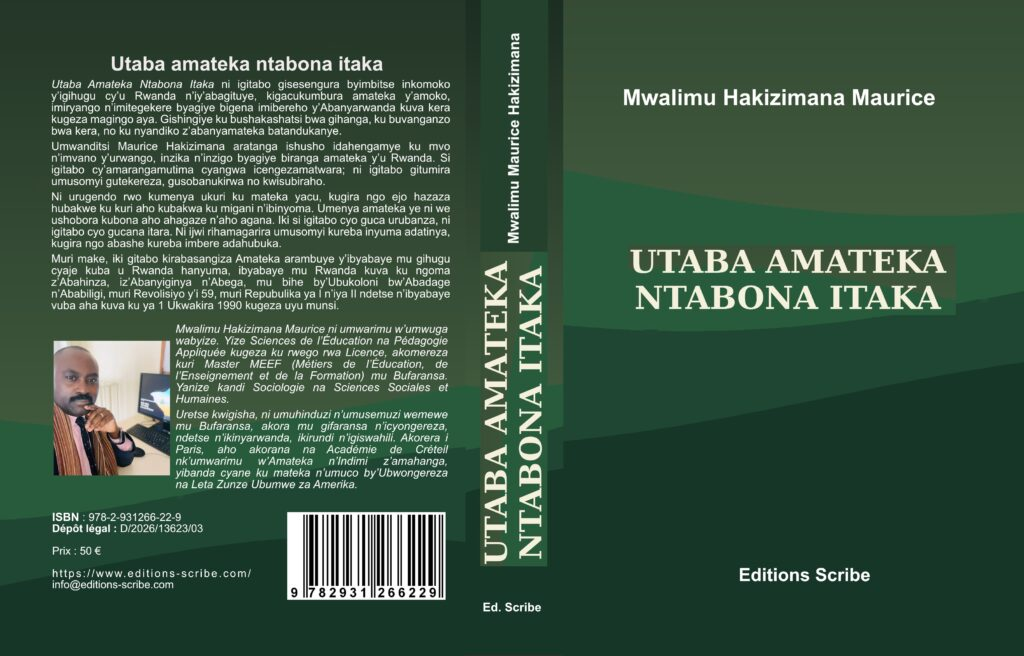
Professor Hakizimana Maurice is the author of the book “UTABA AMATEKA NTABONA ITAKA” (Editions Scribes).
PUB
TIDAS – Translation, Interpreting & Support for Your Asylum and Residency Procedures in France
Welcome to TIDAS (Translation, Interpreting, and Asylum & Residency Assistance in France).Our mission: to help foreigners in France overcome language barriers and administrative obstacles.
Our services:
Translation and interpreting for your appointments and documents
Support with asylum applications
Assistance with all your administrative procedures
With TIDAS, you benefit from a professional, caring, and reliable service.We believe that everyone deserves to be understood and supported.
Contact us today and let’s move forward together at (+33) 07 58 90 35 49 or email us at tidasetvous@gmail.com
TIDAS :
- “TIDAS – Always by Your Side”
- “The Voice of Foreigners in France”
- “Understand, Translate, Support”